The Hikikomori Body

Fiorenzo Ranieri

Paper presented at the conference “Solitude and Relationships”, organised by the Order of Psychologists of Tuscany on 22–23 January 2026 (proceedings available at:

https://www.fondazionepsicologi.it/quaderni/solitudine-e-relazioni-volume-2/)

Introduction

This contribution offers some reflections on the relationship that adolescents and young adults living in voluntary social withdrawal — commonly referred to in the literature as hikikomori — have with their own bodies. These observations draw on my clinical experience and on findings from the scientific literature. Further valuable insights emerged from the annual seminar The Hikikomori Phenomenon – A Psychoanalytic Perspective on Psychic and Social Withdrawal Across the Life Cycle, organised by the Martha Harris Study Centre in Florence and co-led with Dr Miriam Monticelli.

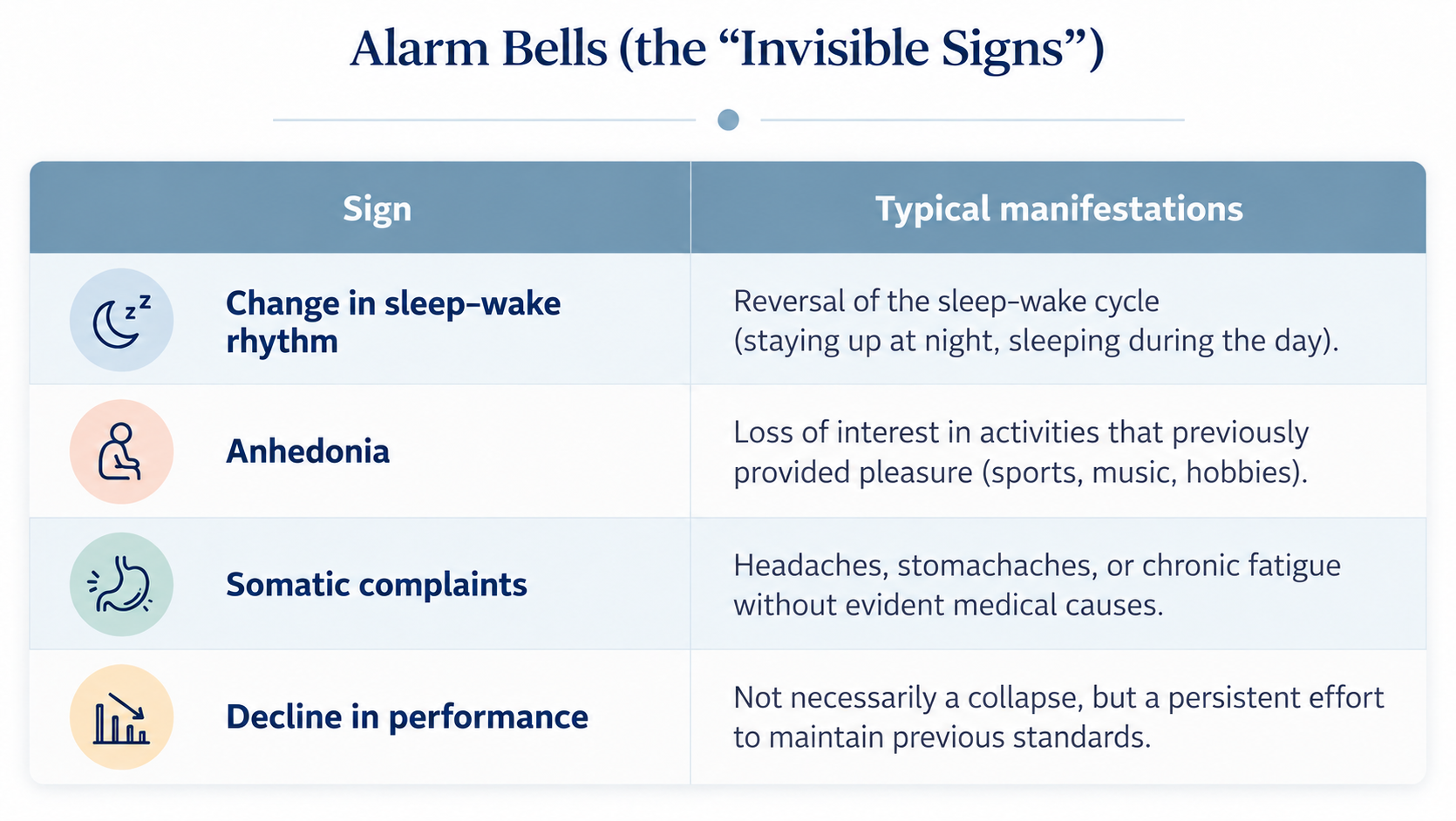
When we meet adolescents and young adults in social withdrawal, what strikes us is not only their absence from the world, but also a particular mode of bodily presence. The body is there — yet somehow withdrawn, suspended, as though it needed to pass unnoticed. Continue reading The Hikikomori Body

The Denied Body: Clinical and Countertransference Dynamics in Hikikomori Withdrawal

Fiorenzo Ranieri

The article “The Denied Body: Clinical and Countertransference Dynamics in Hikikomori Withdrawal” was published in the March 2026 issue of the Journal of Child Psychotherapy.

Abstract

Social withdrawal, known as hikikomori, represents a complex clinical condition in which the body is often silenced and withdrawn from relational exchange. This paper explores the role of the bodily dimension in psychoanalytic psychotherapy with adolescents and young adults, with particular attention to the therapist’s countertransference reactions. The concept of psychic retreat is used to understand how the body becomes the main vehicle for non-symbolisable communications. Starting from the premise that enactment is the language of the retreat, clinical vignettes illustrate how this process can become a transformative moment when recognised and worked through within the analytic field. The containing function allows the transformation of what has been evacuated into the body into shareable thoughts, thereby reopening a relational space. The paper emphasises the importance of keeping the patient’s body alive in the therapist’s mind, to give meaning to what cannot be said and to restore the possibility of connection with the Other.

Keywords:

Hikikomori; body and psychotherapy; psychic retreat; countertransference; enactment

Ranieri, F. (2026). The denied body: clinical and countertransference dynamics in hikikomori withdrawal. Journal of Child Psychotherapy, 1–16. https://doi.org/10.1080/0075417X.2026.2639574

Indirect Psychotherapy With Parents of Adolescents and Young Adults With Hikikomori

Fiorenzo Ranieri

The journal Psicologia Clinica dello Sviluppo (Il Mulino) published the article “Indirect Psychotherapy With Parents of Adolescents and Young Adults With Hikikomori” in its first issue of 2026 (available in Early Access at the following link: [link]). The pre-print version submitted for peer review is reproduced below.

Abstract:

This article presents a psychodynamic approach to working with families of adolescents and young adults experiencing hikikomori, a specific form of extreme social withdrawal. Young individuals with hikikomori present sensitive challenges for mental health professionals, particularly when they refuse direct contact with clinicians. In such cases, therapeutic work with the parents often becomes the only feasible intervention. The method of indirect psychotherapy is a parent-focused intervention that respects the adolescent’s refusal of treatment while aiming to redefine relational dynamics within the family system. This process seeks to establish an alliance with the parents and gradually engage them in confronting the often idealized yet emotionally neglected internal object of the “child.” When effective, this approach can catalyze meaningful changes in the family and, indirectly, in the adolescent. The article concludes with the presentation of several clinical vignettes.

Keywords: indirect psychotherapy, parent-focused intervention, hikikomori, psychodynamic therapy, psychic retreats Continue reading Indirect Psychotherapy With Parents of Adolescents and Young Adults With Hikikomori